NGO Confirms Evidencity's Work After Year-Long Study
The audit got approved. The coltan kept moving
In April 2025, Evidencity’s Illicit Network Intelligence (INI)
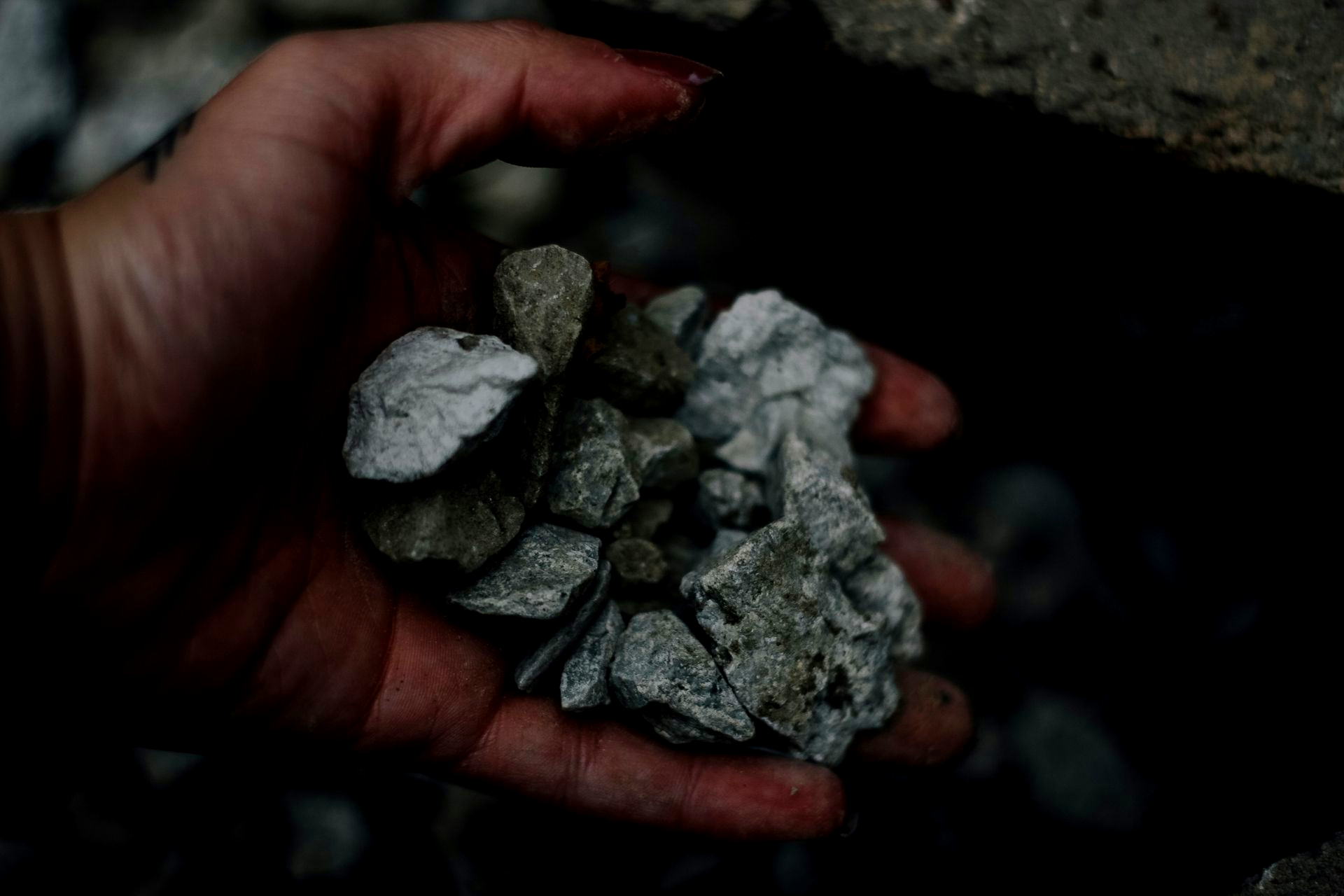
mapped a network linking M23-controlled coltan mines in North Kivu, through Hong Kong traders, to Ulba Metallurgical Plant, a Kazakh state smelter holding a valid Responsible Minerals Initiative (RMI) conformance certificate. No sanction had been issued. No audit had flagged the chain. The network was visible, but the certification was not designed to see it. A year-long Global Witness investigation, published on 10 June 2026, has independently confirmed the same chain at scale. The scheme that failed to detect the flow received EU regulatory recognition while the flow was happening.
Tags at the mine, audits at the smelter
The architecture is familiar to anyone in responsible minerals sourcing. The ITSCI Programme, the dominant tin, tantalum, and tungsten traceability scheme in the African Great Lakes region, assigns tags to mineral bags at the mine and depot level, certifying them as conflict-free before export. The Responsible Minerals Assurance Process (RMAP) audits smelters and refiners on the adequacy of their due diligence systems. Together they form the compliance infrastructure manufacturers rely on when filing their annual conflict minerals reports.
Global Witness
traced more than 2,000 tonnes of M23-controlled coltan from the Rubaya mines in North Kivu, through Rwanda, and into supply chains connected to Sony, Microsoft, Amazon, LG Display, Ericsson, Toyota, Nvidia, and Vodafone. The investigation drew on customs and trade data, field research, and interviews with more than 70 sources over a year. Seven companies accounted for almost 85% of Rwanda’s coltan exports, and Global Witness found direct evidence that at least five of them bought conflict coltan from Rubaya.
The mineral was moving with ITSCI tags. All eight smelters that processed it held RMAP conformance, and all eight were found compliant in audits conducted in 2024 and 2025.
On 16 October 2025, the European Commission
formally recognised RMAP under the EU Conflict Minerals Regulation, the first scheme to receive that recognition. EU importers relying on RMAP can now discharge their due diligence obligations under the regulation. Brussels described the move as promoting transparency and reducing administrative burden.
Evidencity flagged the Kazakh smelter before sanctions reached it
Ulba Metallurgical Plant JSC, in Ust-Kamenogorsk, Kazakhstan, accounts for approximately 12% of global tantalum supply. It is the only tantalum smelter in Kazakhstan and appears in the certified supply chains of major Western manufacturers. It is wholly owned by NAC Kazatomprom JSC, the world’s largest uranium producer. Kazatomprom is controlled through Kazakhstan’s sovereign wealth fund Samruk-Kazyna, whose sole shareholder is the Kazakh government.
Evidencity’s INI
first identified Ulba as the end-point of a conflict tantalum network in April 2025. It mapped the smelter’s sourcing through East Rise Corporation, a Hong Kong-registered trader with documented ties to CDMC, the largest cooperative operator at the Rubaya concession. Neither East Rise nor CDMC had been sanctioned at the time. When the US Treasury’s Office of Foreign Assets Control (OFAC)
designated both entities on 12 August 2025, alongside Star Dragon Corporation, the designations confirmed the chain Evidencity had mapped, entity by entity. Ulba was not designated. As Evidencity
reported in April 2026, its RMAP conformance was never revisited.
The Global Witness investigation now independently confirms that picture. It identifies Ulba as one of four smelters that likely processed conflict coltan from Rubaya, sourcing through East Rise. Ulba confirmed to Global Witness that it bought coltan from East Rise. It denies the material was conflict-linked and says it stopped purchasing from the region in May 2024. Its most recent RMAP audit reported 117 high-risk incidents related to tantalum sourced from or transported through conflict-affected areas in a single reporting period. Ulba chose to continue trading with all relevant suppliers.
For manufacturers sourcing tantalum through the former Soviet republics, Ulba is effectively irreplaceable, with little to no conformant alternative. That commercial dependence is built into the supply chain, which makes the audit’s failure to surface the conflict exposure a structural problem rather than an oversight.
Suspended exporters moved to a less transparent scheme
The ITSCI Programme has suspended or expelled six Rwandan coltan exporters since 2024, which the industry presented as evidence the system was working. Global Witness found that several of them moved to Better Mining, the alternative traceability system operated by SLR Consulting.
Better Mining publishes neither its member list nor the risks it identifies in supply chains. According to traders Global Witness interviewed, at least two exporters suspended from ITSCI sourced conflict coltan while operating under Better Mining. A third, also suspended from ITSCI, is going through Better Mining’s onboarding process, though Better Mining says it has not yet decided whether to accept the company.
The pattern tracks what Evidencity has
documented across conflict mineral supply chains: when one certification system removes a network actor, the network routes around the removal. Screening individual entities is inadequate when the network is built to absorb and redirect.
Apple, once cited as a responsible sourcing leader, stopped listing processors in its 2024 Conflict Minerals Report filed with the SEC. It said it had instructed suppliers to halt 3T purchases from the DRC and Rwanda. It did not explain how it intended to verify compliance. Smelters typically blend minerals from multiple origins, and the certification schemes meant to provide that assurance have demonstrably failed in this corridor. The transparency trajectory in the tantalum sector is running in reverse.
Two methods converge on the gap that certification leaves
Two methodologies have arrived at the same conclusion by different routes. Evidencity’s INI mapped the network through entity relationships and corporate linkages before sanctions were issued. Global Witness confirmed it through customs data, trade records, and field interviews conducted over a year. Their convergence matters: the risk in this supply chain sits in ordinary commercial relationships that standard auditing is not built to examine.
A conformance certificate answers one question: whether a smelter’s due diligence processes passed an audit. The audits answer a narrower question than the one companies need answered, which is who the smelter bought from, across what period, and through what intermediary structure. The EU’s RMAP recognition gives legal comfort to importers who rely on it. It does not give them supply chain visibility.
For compliance teams, the practical question is whether the relationships behind their smelters have been mapped. The follow-on question is whether that mapping would hold up against an OFAC designation, a Global Witness investigation, or a regulator who has read both.