
Forced labour and modern slavery

Evidence that stands behind your forced labour reporting

Whether you're filing a modern slavery statement, responding to a customs detention or reporting on supply chain due diligence, get sourced findings on the suppliers your obligations cover.

Abaca fibre drying
The situation

What a regulator looks past

Supplier questionnaires and social audits are what most forced labour reporting rests on. Under the UFLPA, US customs has not accepted either on its own as grounds to release detained goods. It asks for documented traceability instead.

The UK and Australian Modern Slavery Acts, Canada's S-211, Germany's LkSG and EU due diligence rules are moving the same way, towards evidence you can show.

What's at stake

When the evidence falls short

Under the UFLPA, goods can be held at the US border until you prove they are free of forced labour. By mid-2026, US customs had reviewed more than 16,700 shipments worth nearly $3.7 billion.

From late 2027, the EU Forced Labour Regulation will allow products made with forced labour to be banned from the EU market.

How we help

Evidence you can put your name to

Your declared suppliers, screened.

Against sanctions, watchlists, adverse media and company registries.

Upstream exposure, traced.

Past tier 1 to the inputs and intermediaries where forced labour risk usually sits.

Origin claims, tested.

Whether a supplier's stated country of origin holds up, including goods routed through third countries.

A documented record.

Every finding is sourced and dated, so your statement or submission rests on what you can show.

A route to remediation.

Where risk is found, whether it can be fixed, monitored or means changing supplier, with introductions to trusted remediation partners.

When teams bring us in

Where most engagements start

  • A modern slavery statement is due, and last year's rested on supplier questionnaires
  • Goods have been detained at the border, or a supplier appears on an enforcement list
  • A customer, investor or partner has asked for evidence of your due diligence
  • A new law has brought your company into scope for the first time
  • An NGO or journalist has named one of your suppliers
Case studies

See how this works in practice

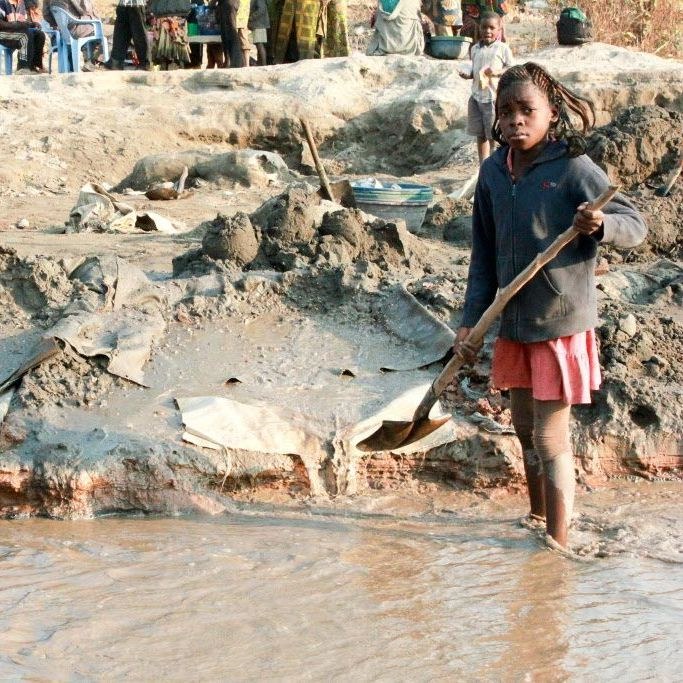
A child at an artisanal mine in the Democratic Republic of Congo
Social impact wealth managers, eastern Congo

Tracing modern slavery risk across 105 S&P 500 companies

105
S&P 500 companies exposed

The question

Which publicly traded US companies in our portfolios are exposed to modern slavery in eastern Congo?

What we found

Most of the companies relied on the same tantalum smelter, based in Kazakhstan, which sources from mines exposed to child labour further up the chain.

What happened next

The wealth managers adjusted their investment thesis to reflect each portfolio's exposure.

Abaca fibre drying
Research, Ecuador

Tracing abacá from forced labour plantations to global brands

The question

After a landmark forced labour ruling in South America, where does the abacá from those plantations end up?

What we found

Abacá from plantations where workers were held in generational servitude moved through processors in the Philippines and Japan into tea bags and specialty paper sold by brands in the US, UK and EU.

What happened next

Our findings were published to help companies check their own exposure to abacá from these plantations.

FAQ

Frequently asked questions

Does this meet UFLPA or EU due diligence requirements?

Our findings are built to support your obligations, not to certify compliance with any one law. Your counsel decides what satisfies each regulator, and we give them sourced evidence to work from.

Can you help if our goods are already detained?

Yes, but contact us as early as you can, because tracing the supply chain behind detained goods takes at minimum 45 business days. Where timing is critical, we can discuss an accelerated schedule. Whether our findings are enough for release is decided by customs and your counsel.

Should we include all our suppliers, or only the high-risk ones?

We recommend your full list. Exposure often turns up where no one expected it, and a complete baseline makes each year's reporting easier.

Can you keep monitoring our suppliers after the engagement?

Yes. Your final supplier map becomes the baseline, checked on an ongoing basis against our data on illicit networks as it's updated. Monitoring is set up once the engagement ends, so each year's reporting starts from where the last one finished.

How far ahead of a reporting deadline should we start?

Allow around three months. Work usually begins two to four weeks after sign-off, and a standard engagement runs about 45 to 60 business days.

Start with your next reporting deadline

Tell us which obligations you report under and where your suppliers are. We'll outline what we would investigate and when you'd have findings.