Forced labor and the solar panel industry
Reports of forced labor against the Uyghur minority residing in China’s Xinjiang region have been emerging in international media raising concerns about the involvement of Western businesses in the perpetuation of human rights violations.
Over the past few years, the Chinese government has been accused of systematic persecution of the Uyghur population. Uyghurs have been subjected to mass surveillance, arbitrary detentions, cultural repression, and forced assimilation in an extensive and highly controversial "re-education" campaign.
Mounting evidence has indicated the involvement of Uyghur forced labor in various industries, including manufacturing, agriculture, and textiles. Several testimonies and leaked documents have exposed the existence of forced labor camps, euphemistically referred to as "re-education centers" or "vocational training centers," where Uyghurs are coerced into labor under exploitative conditions.
Western companies and the Uyghur workers
Western companies, including prominent global brands, have faced scrutiny and allegations of complicity in benefiting from the forced labor of Uyghur workers. Supply chains have become increasingly complex, making it difficult to trace the origins of raw materials and products. However, investigations by human rights organizations, investigative journalists, and think tanks have revealed instances of Western firms sourcing goods from factories and suppliers implicated in the use of forced Uyghur labor.
These allegations have implicated companies across various sectors, including fashion, technology, automotive, and retail. Some companies have been accused of directly sourcing from Xinjiang, while others have indirectly benefited from the forced labor by using suppliers implicated in such practices.
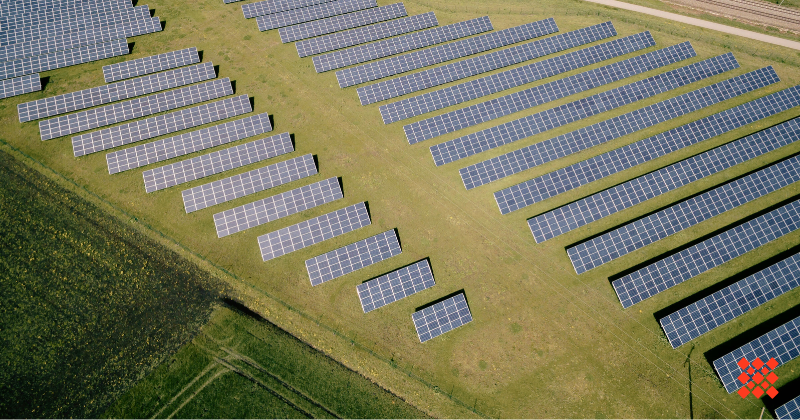
Companies operating in the renewable energy sector have faced scrutiny over their potential connections to the Xinjiang region, where a significant portion of the world's solar panel production takes place.
Raw materials in the solar panel industry
The solar panel industry, hailed as a beacon of sustainable energy, is no exception. Companies operating in the renewable energy sector have faced scrutiny over their potential connections to the Xinjiang region, where a significant portion of the world's solar panel production takes place. The production of solar panels requires minerals and metals such as silicon, aluminum, and copper. In some cases, the mining and extraction of these raw materials can involve forced labor. Workers may be subjected to dangerous working conditions, low wages, long hours, and restricted freedom of movement.
Once the raw materials are extracted, they go through manufacturing processes to produce solar panels. Forced labor can occur within these manufacturing facilities. Workers may be subjected to exploitative practices, such as excessive working hours, inadequate safety measures, poor living conditions, and restrictions on their freedom.
Exposure for JinkoSolar
JinkoSolar Company is one of the world’s largest photovoltaic materials manufacturers. It is an international, vertically-integrated company concentrating on research and development, manufacturing, and sales of photovoltaic products, including wafers, cells, and modules. According to media reports, 54% of JinkoSolar’s employees at its Kunas plant are ethnic minorities from the local area, including former farmers and herdsmen. It is unclear how many of the workers are recruited through state-sponsored labour programmes, but it is clear from the above that at least some of its workers are. This is also interesting in light of claims that only highly skilled and highly educated workers are capable of working in polysilicon plants.
JinkoSolar is also exposed to forced labour in its supply chain through Daqo New Energy, a Chinese company engaged in the manufacture of monocrystalline silicon and polysilicon, primarily for use in solar photovoltaic systems. JinkoSolar appears to be Daqo’s second largest customer. Because 100% of Daqo’s polysilicon is produced in the Uyghur Region, and its direct suppliers are implicated in labour transfers, this is a significant exposure for JinkoSolar.
Because of JinkoSolar’s connections with Xinjiang, many Western supply chains have been affected. JinkoSolar has clients all around Europe and in the Americas. According to its most recent customer records, the following companies are exposed to forced labor violations in China, among others: Elecnor SA (ES), Enel SpA (IT), Engie SA (FR), Consolidated Edison (US), and Consolidated Electrical Distributors (US).
The revelations surrounding Western firms' involvement in forced Uyghur labor raise significant ethical questions and demand urgent action. Companies must prioritize human rights and take responsibility for ensuring ethical practices throughout their supply chains. This requires rigorous due diligence, transparency, and proactive measures to eliminate any association with forced labor, regardless of the complexity of supply chains.
Evidencity conducts in-house research on TruthSeeker, researching companies and individuals of global economic interest.