EV batteries and China
In July 2023, US lawmakers sought to review a licensing deal between Ford Motor and Chinese battery supplier Contemporary Amperex Technology Co., Limited (CATL).
The House Ways and Means Committee demanded a copy of the licensing agreement and any communication between the two companies as well as between Ford and the Biden administration regarding potential tax credits. Also, the letter raised doubts about CATL's potential links with forced labor practices and the need to reduce dependency on China.
Ford and CATL
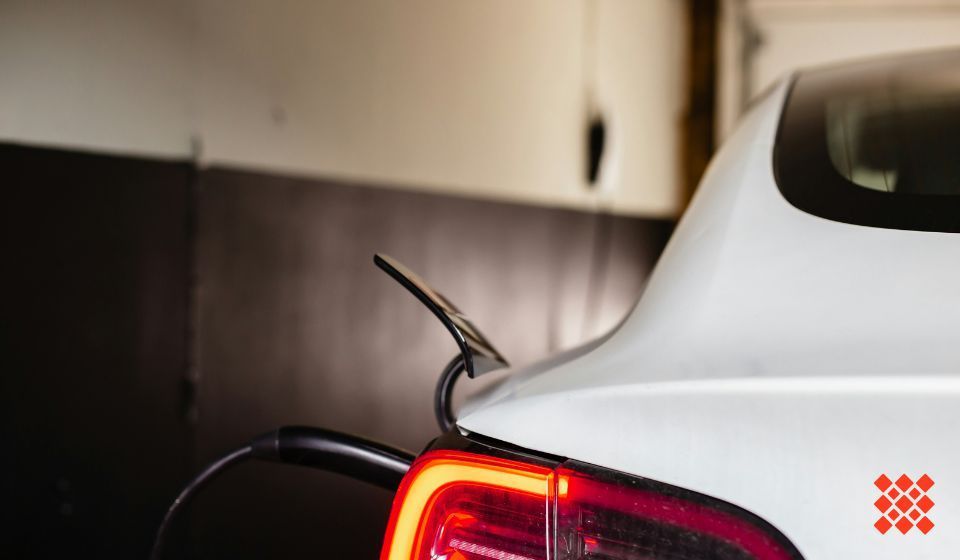
The deal between Ford and CATL foresees the production of battery cells in a planned USD3.5 billion plant in Michigan which is expected to open in 2026 and employ about 2,500 people. The factory will produce new lithium iron phosphate batteries (LFP).
CATL was incorporated on December 16, 2011, in Ningde, Fujian Province, China. Its shareholders include Xiamen Ruiting Investment Co., Ltd. (23.32%), Shilin Wang (10.60%), and Hong Kong Securities Clearing Company Limited (9.31%).
The company’s leadership is connected with the Chinese Communist Party. CATL’s chairman, Yuqun Zeng, is a 13th CPPCC National Committee member. Shareholder Shilin Wang is the Counsellor of the Fujian Provincial People’s Government.
CATL produces around a third of EV batteries supplied to the global market (37%) and is the biggest lithium battery manufacturer.
CATL's leadership in the EV battery sector
CATL's leadership in the EV battery sector has raised concern among US officials, but also at home, as the company keeps expanding and deepening its ties with US manufacturers.
The reason lies with the increased competition between Washington and Beijing for dominance in strategic industries as well as with American fears about national security.
CATL produces around a third of EV batteries supplied to the global market (37%) and is the biggest lithium battery manufacturer.
The majority of international car manufacturers have crossed business paths with CATL in the last decade. For example, Tesla, BMW and Mercedes all have agreements with the company. In addition, Honda Motor Co. struck a deal with CATL, hoping to stabilize its battery supply.
Moreover, the company has already established operations in Europe. Namely, it maintains a plant in Munich, Germany and, in the summer of 2022, it launched the opening of a new factory in Hungary in collaboration with Mercedes-Benz.
CATL's legal troubles
According to Chinese court databases, CATL has been involved in at least 10 civil litigation cases which mostly concern contract, labor, and patent infringement disputes.
Furthermore, CATL's supply chain is heavily exposed to modern slavery practices by sourcing raw materials necessary for the construction of EV batteries.
More specifically, the firm has connections with mining companies operating in the notorious Xinjiang region, which has received backlash for human rights abuses against the Muslim Uyghur majority. Uyghurs are forced to work in different industries all over the region, under inhumane conditions.
For example, CATL was linked to lithium mining company, Zhite New Materials, which paid USD885 million for mining rights in Xijiang, but later abandoned the purchase.
Indirect exposure to human rights violations
The EV batteries CATL produces are a staple in the car manufacturing sector. Therefore, international car manufacturers striking deals with CATL could be indirectly exposed to human rights violations.
At the beginning of 2022, it was rumored that CATL could be included under the US sanctions list which also targets Chinese subjects among others. However, the company denied this in an official statement.
Last year, CATL announced it had joined the United Nations Global Compact, an initiative that sees CEOs make non-binding commitments for sustainability and social responsibility, including human and labor rights.
Evidencity conducts in-house research on TruthSeeker, researching companies and individuals of global economic interest.